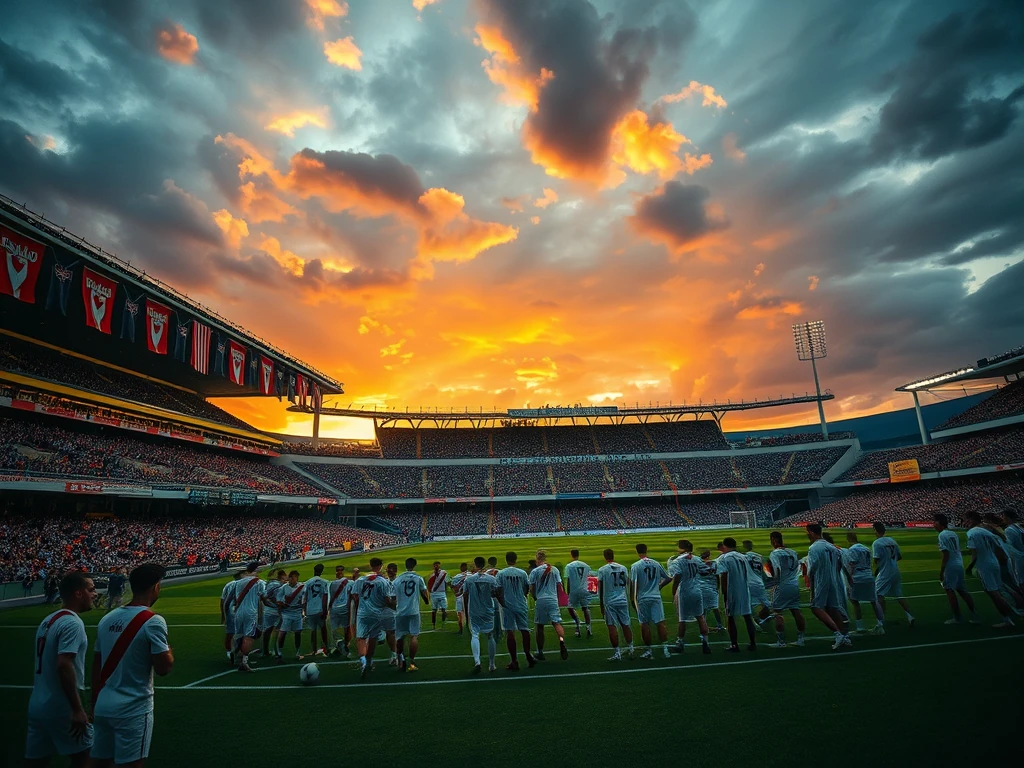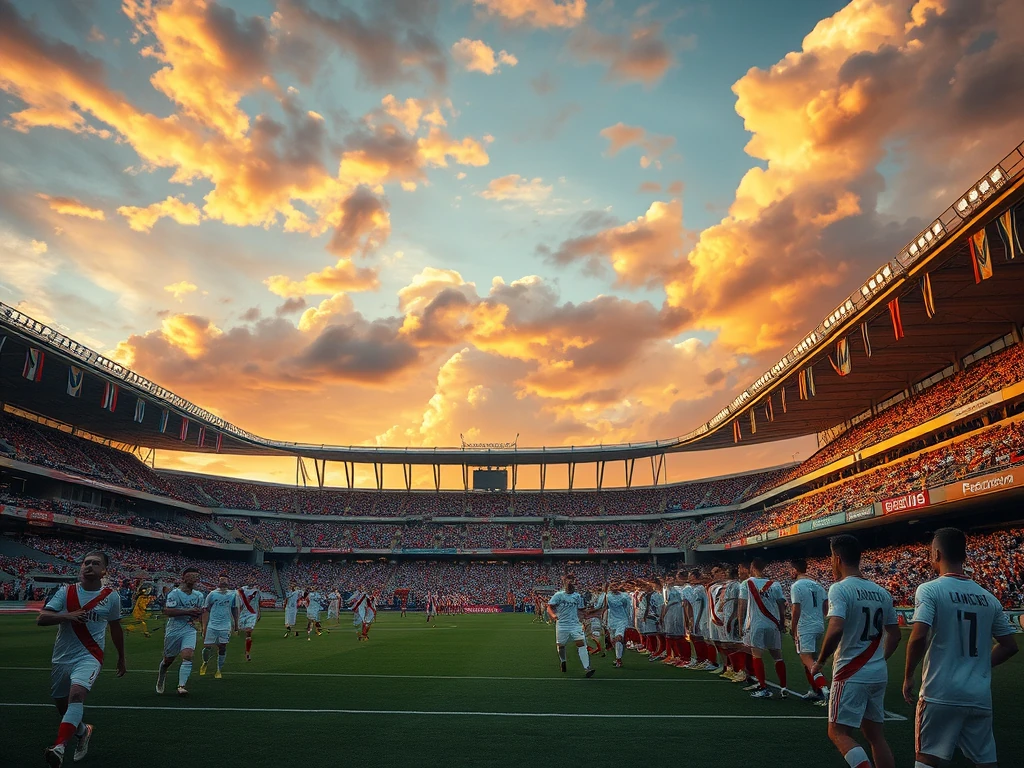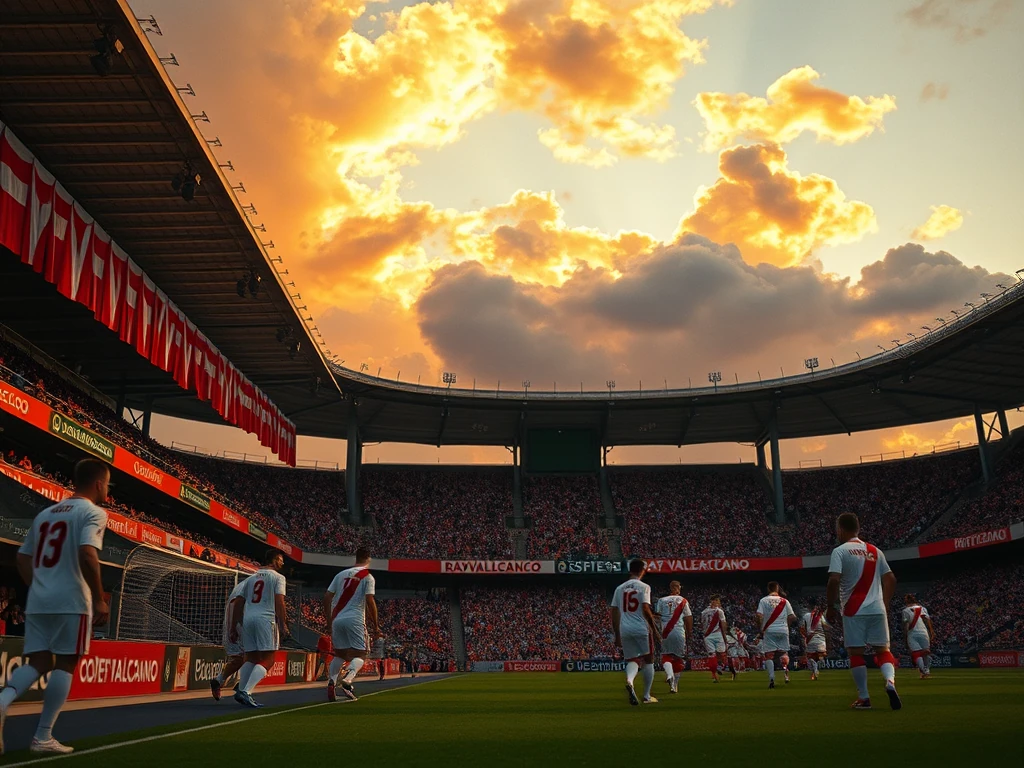
On June 5, 1976, Rayo Vallecano returned to its neighborhood after four years of construction and exile in Vallehermoso. The then president, Marcelino Gil, was the host of this inaugural act to which the governor, García Siso; the national delegate of Physical Education and Sports, Tomás Pelayo Ros; and the national secretary, Antonio Navarro attended. Being the most notable absence the minister secretary general of the Movement, Adolfo Suárez, due to agenda problems. At 11:45 hours, Marcelino Gil showed the political and sports representatives the stands and the box to finish the visit on the green, where Santiago Coca made an oration. "This is the new temple of the men of a very loved neighborhood", announced, while Pelayo Ros slipped his desire: "The stadium is magnificent and I take advantage of this inauguration to wish its promotion to First, now that a new stage begins". The next day, June 6, the stadium was filled in the defeat (0-1) against Valladolid. At that time, the club franjirrojo militated in Second, but its dream of giving the leap to the elite became a reality the following season, 1976-77. Now, 50 years later, the team has beaten its own record of stay in the top category and will live its sixth campaign in the elite. Additionally, Rayo has disputed its first final in a European competition. Unimaginable quotas when this field was inaugurated, built on the grounds where the previous one was located, which had fans in both ends. That Stadium of Vallecas was not built by Rayo, but by Racing de Madrid, which played its first matches in March 1930. The field was covered with carbonized grass, had a capacity of 18,000 spectators, cost 800,000 pesetas and had dressing rooms, infirmary, bar… And even a hotel for the players. The stadium, after the Civil War, on April 1, 1939, became a concentration camp, which was active for about a week and gathered over 20,000 people. Figures that were decreasing due to hunger, diseases, overcrowding... That's why a group of Rayo fans has proposed to rebuild and disseminate their history. The return to sports activity practically coincided with the first leagues of Athletic de Madrid (now Atlético), those of 1939-40 and 1940-41. The field even hosted the final of the Copa del Generalísimo of 1940, which won Español. The franjirrojos did not move until the 1949-50 season, although they took time to settle in. In the summer of 1972, the then president of the entity, Pedro Roiz Cossío, invested four million pesetas in repairing the old stadium, but the board had already informed the provincial governor "the ruinous state" of the field, which was owned by the San Isidro Patronato. The team started the course at home, until the seventh round, in the match against Baracaldo, the situation became unsustainable. The architect could not guarantee the safety of the facilities, due to the poor conditions of the tier and the stand, so Roiz resigned and forced the National Delegation of Physical Education and Sports to move. This committed to building it from scratch in two years, but they ended up six years later.
Club news
Rayo Vallecano celebrates 50 years at its iconic stadium
Rayo Vallecano marks 50 years at its iconic stadium, a temple of football passion, where it has lived unforgettable moments in the club's history.