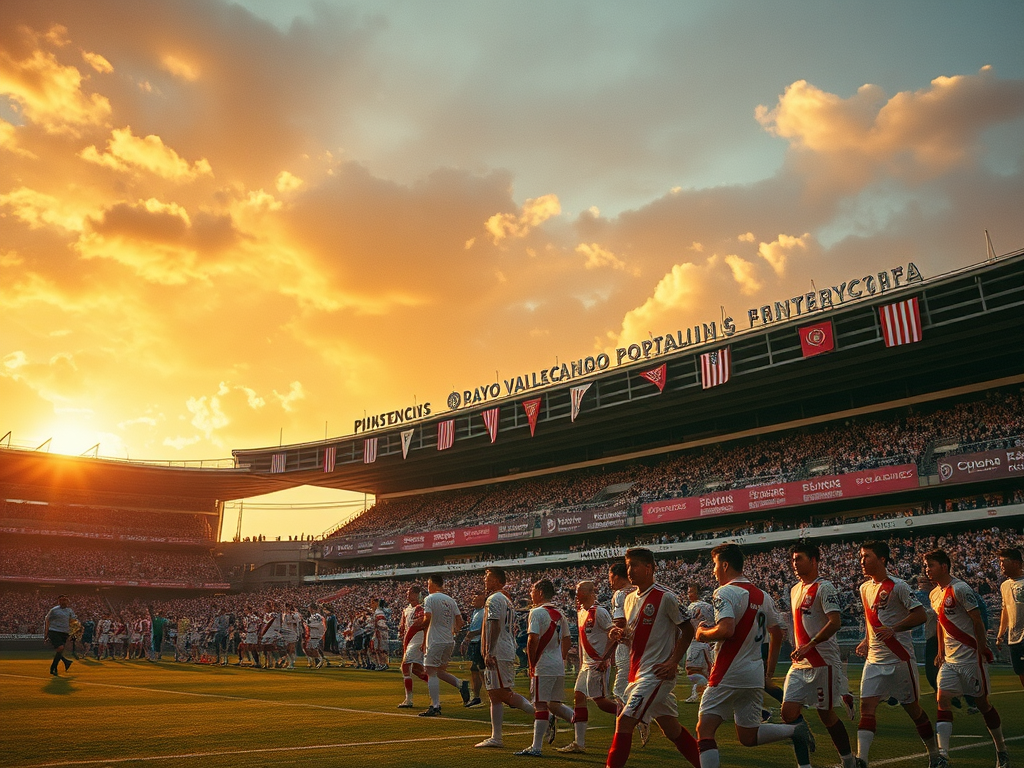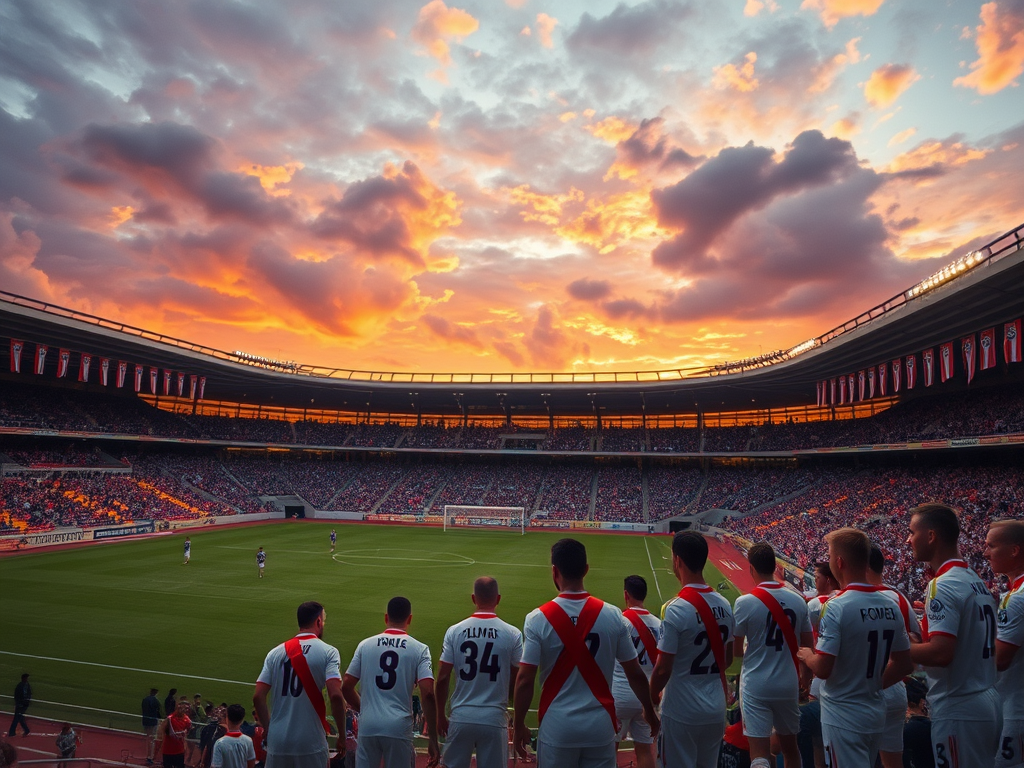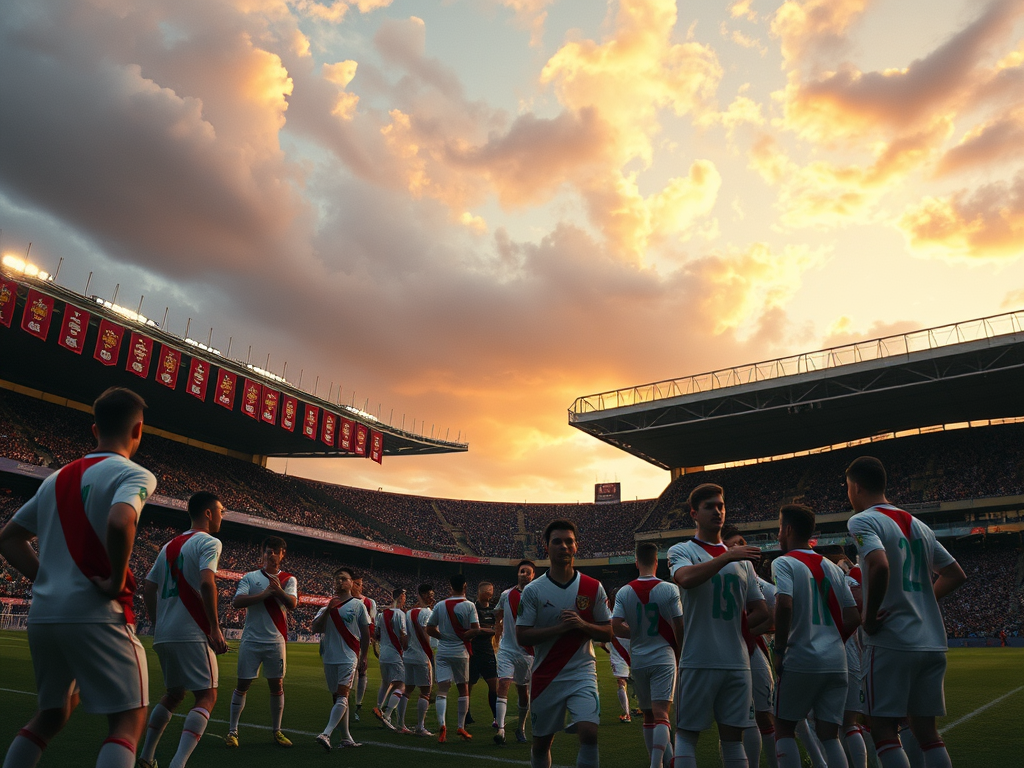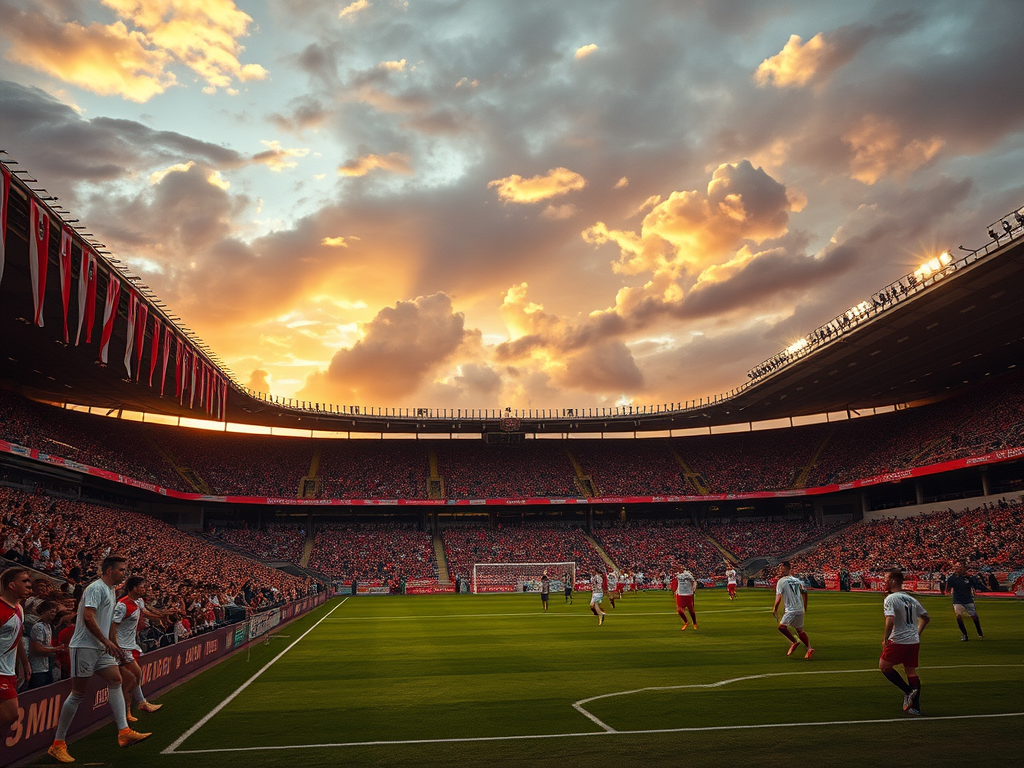
In the 1980s, Rayo Vallecano found itself at a crossroads that not only defined its sporting trajectory but also its social role in the Vallecas community. In a period marked by economic and social crisis in Spain, the club became a beacon of hope for many, representing the struggle of a neighborhood that refused to be forgotten.
As the team fought to stay in the second division, its supporters came together in a sense of community and solidarity. The fans of Los Franjirrojos became famous for their unwavering passion and their ability to create a vibrant atmosphere in the stadium. The Estadio de Vallecas transformed into a meeting place where not only victories were celebrated, but also the shared sorrows and struggles of everyday life.
The impact of Rayo Vallecano went beyond the results on the pitch. The club's management committed to engaging in community projects, supporting local initiatives aimed at improving living conditions in the neighborhood. Food drives were organized, and cultural events were promoted that united residents around the identity of Rayo, strengthening the sense of belonging and pride within the community.
This social commitment culminated in 1989 when the club achieved promotion to La Liga, a feat celebrated as a victory for the Vallecas community. The fans not only celebrated the sporting success but also the reaffirmation of their identity and resilience. The ascent became a symbol that despite adversity, with unity and effort, the seemingly impossible could be achieved.
Today, the legacy of those years remains alive. Rayo Vallecano continues to be a club deeply rooted in its community, and its story of struggle and resistance echoes throughout Vallecas. The connection between the team and its supporters is stronger than ever, continuously reminding us that football is much more than just a game; it is a vehicle for social change and a symbol of hope.